Unexpected contact
A stranger sends a friend request, follow request or direct message without a clear reason.

Websites • Software • Training • AI Solutions
Tweed IT Cyber Safety Centre
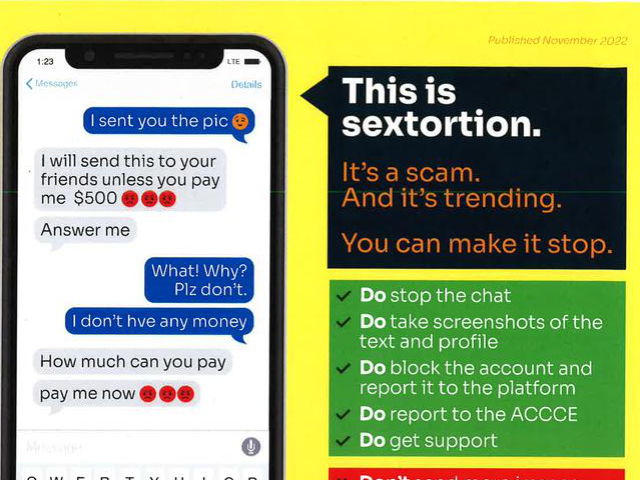
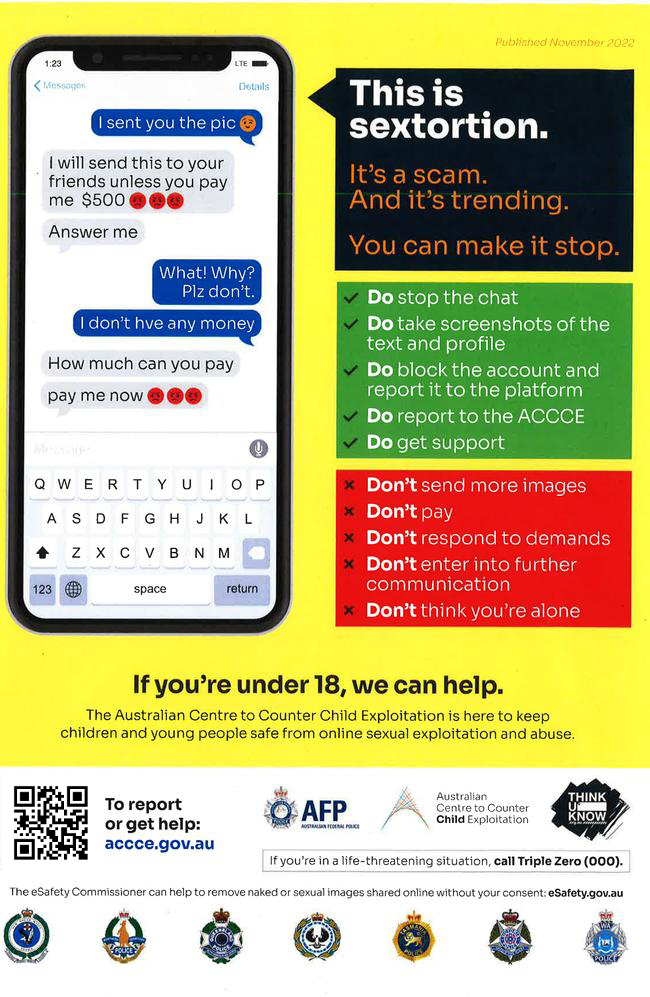
Sextortion is a form of blackmail where someone threatens to share intimate images, videos or personal information unless you meet their demands.
Understanding the scam
Sextortion, sometimes called sexual extortion, occurs when someone threatens to share intimate content unless the person gives them money, more images, sexual material or another form of payment.
Scammers may make contact through social media, dating apps, gaming platforms, messaging services, webcams or fake online profiles. Some offenders work alone, while others are part of organised criminal groups.
Anyone can be targeted. Being deceived or threatened does not make the situation your fault, and help is available.
Warning signs
A single warning sign does not always prove something is a scam, but several signs together should make you stop and verify.
A stranger sends a friend request, follow request or direct message without a clear reason.
The conversation becomes sexual very quickly or you receive intimate content without asking.
You are asked to move from one platform to another where messages may be harder to trace.
The person repeatedly avoids a genuine live video call or claims their camera is not working.
They insist you send images first, often promising they will delete them afterwards.
They threaten to contact family, friends, employers or schools unless money is paid immediately.
Act immediately
Do not panic. Follow these steps in order and seek support from someone you trust.
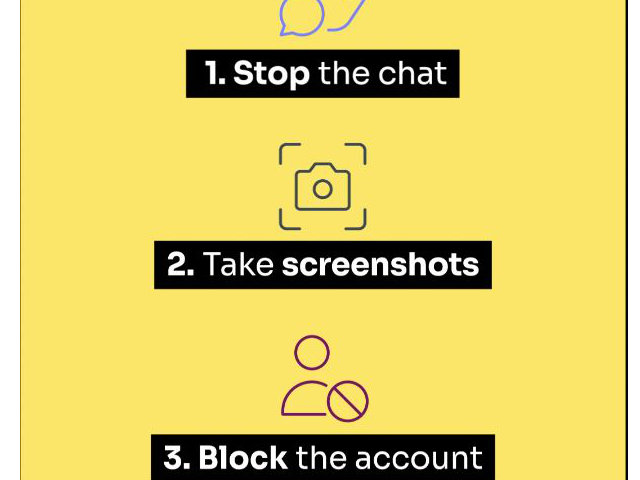
Do not continue negotiating or responding to threats.
Payment does not guarantee the content will be deleted and may lead to further demands.
Take screenshots of messages, usernames, profiles, payment requests and threats.
Report the account to the platform, then block the person once evidence has been saved.
Change passwords, enable multi-factor authentication and review privacy settings.
Speak with a trusted person and report the incident to the appropriate Australian service.
How it may unfold
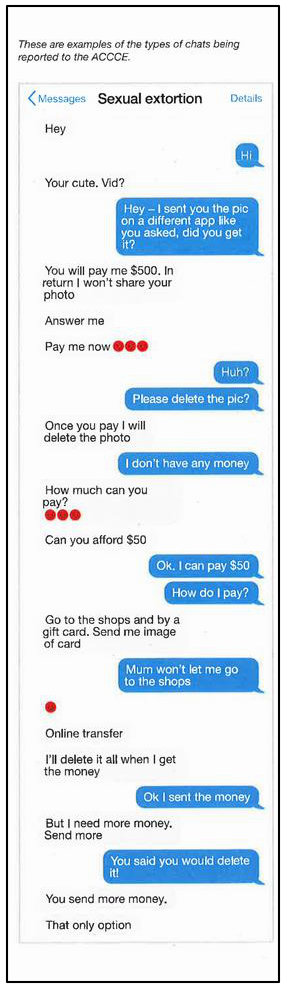
Protect yourself
Limit who can see your friends, followers, workplace, school and contact information.
Check how old the account is, whether its photos appear elsewhere and whether its activity looks genuine.
Do not reveal information that could help someone contact your family, employer or school.
Use unique passphrases and enable multi-factor authentication on social media and email accounts.
Once an image or video is sent, you may no longer control where it is copied or stored.
End the conversation when something feels rushed, inconsistent, threatening or too good to be true.
Australian support
Provides assistance with image-based abuse and harmful online content.
Visit eSafetyReport cybercrime and online extortion incidents.
Open ReportCyberCall 000 if there is an immediate danger. For non-urgent police assistance, call 131 444.
Report the account and threatening content directly through the platform's safety or abuse tools.
Test your awareness
Try the Australian Cyber Security Centre's scam awareness material.
View Scam AdviceNeed support?
Do not face the situation alone. A trusted family member, friend, school, workplace, counsellor or support organisation may help you take the next step.
Tweed IT support
Tweed IT can help secure accounts, review devices, remove unwanted remote-access software and explain the next steps in plain English.